

Introduction
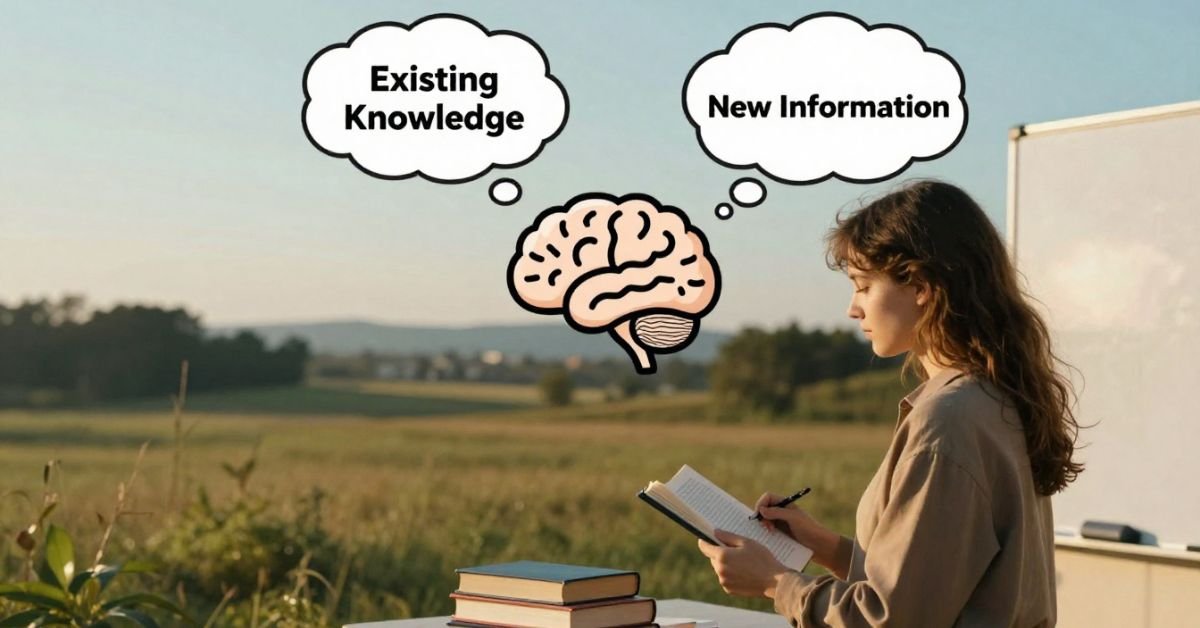
Every time we learn something new, our brain either assimilates that knowledge or accommodates it. These are subtle but powerful mechanisms in human development. In psychology, the concept of assimilasjon (the Norwegian term for assimilation) refers to the process of integrating new information into existing mental frameworks without altering those frameworks dramatically.
According to foundational research in cognitive development, assimilasjon involves fitting new information into existing knowledge structures, making it easier for learners to logically comprehend unfamiliar data using what they already know. This article will explore the full scope of this concept—from its theoretical origins to classroom applications, cultural overlays, and practical tips for creating learning environments that nurture it.
What Is Assimilasjon? Definition and Origins
Assimilasjon comes from the Latin “assimilare”, meaning “to make something similar.” In cognitive development theory, it was most prominently defined by Swiss psychologist Jean Piaget, who introduced the term as part of his schema theory.
Featured Definition (Snippet Optimized):
Assimilasjon is the process of integrating new information into existing mental frameworks or schemas without changing the structure of those frameworks.
For example, if a child sees a zebra for the first time and calls it a “horse,” they’re using assimilation. It fits the child’s existing schema of four-legged animals approximately resembling horses.
| Term | Definition |
| Schema | A mental structure representing knowledge about a concept or type of stimulus |
| Assimilasjon | New understanding fits the schema without altering it |
| Akkomodasjon | Existing schema is modified to incorporate a new understanding |
Assimilation sets the foundation for early and lifelong learning because it conserves mental resources by building on what we already know.
Assimilation vs. Accommodation: What’s the Difference?
Learners actively balance between assimilation and akkomodasjon (accommodation) when processing new experiences. Understanding the differences is key to structuring effective lessons and cognitive development strategies.
| Cognitive Process | Description | Result |
| Assimilasjon | Fitting new info into an existing schema | Schema expands without major changes |
| Akkomodasjon | Modifying a schema to fit new information | Schema structure adjusts significantly |
| Equilibration | Balancing both processes for stable understanding | Cognitive growth occurs |
Real-World Example:
- Assimilasjon: A child sees a golden retriever and says “dog,” just like their neighbor’s poodle.
- Accommodation: The same child sees a cat and initially says “dog,” but learns to separate “dog” and “cat” as different schemas.
How Assimilasjon Shapes Early Childhood Learning
In early cognitive development, assimilation plays a dominant role. Children rely on established schemas to make sense of the world quickly—especially when vocabulary and abstract thinking are still forming.
Examples of Early Assimilasjon:
- Using the same word for all drinks: “juice” for milk or water
- Applying one motor skill (e.g., throwing) to multiple play contexts
- Recognizing storybooks as “just like the bedtime ones” despite different designs
Educational Relevance:
- Simple repetition, icon-based visuals, and patterned routines help young learners assimilate new concepts faster.
- Preschool educators often build curriculum layers around existing skills like shapes, colors, and animal types.
Assimilasjon drives foundational understanding before abstraction develops, aligning with national kindergarten readiness standards.
Assimilation in Formal Education: Classroom Applications

In structured learning environments, teachers frequently utilize assimilation by connecting curriculum with prior knowledge. This scaffolding promotes retention and curiosity.
Techniques to Encourage Assimilation:
- KWL Charts (What I Know, What I Want to Know…)
- Schema activation questions at the beginning of lessons
- Relatable analogies for complex concepts (e.g., the heart as a pump)
Example: Teaching Fractions
- Students already familiar with pizza slices or sharing snacks can assimilate fractional concepts more easily than those introduced abstractly.
| Teaching Method | Purpose | Supports Assimilation? |
| Direct instruction | Introduces clear, structured material | ✅ Yes |
| Inquiry-based learning | Encourages students to test hypotheses | ⚠️ Not explicitly |
| Project-based learning | Real world + prior knowledge combo | ✅ High integration |
Assimilation succeeds when new content respects and leverages what learners already understand.
Assimilasjon in Adult Cognitive Development
Cognitive flexibility doesn’t end in adolescence—adults also rely on assimilation when navigating familiar daily tasks or adapting to new work environments.
Examples:
- Learning to use a new productivity app by relating it to functions in Excel or Google Sheets
- Adapting new policies by comparing them to previously implemented procedures
- Parenting strategies that evolve over time but are still grounded in long-held beliefs
| Age Group | Common Contexts for Assimilation |
| 25–40 | Workplace training, tech skill acquisition |
| 40–60 | Health updates, financial planning, caregiving roles |
| 60+ | Lifestyle changes, retirement concepts |
Assimilasjon provides mental efficiency for processing life transitions, which is critical for lifelong learning and adaptation.
Real-Life Examples of Assimilasjon in Action
To make the concept even more practical, here are real-world examples showcasing assimilation across different fields:
| Context | Assimilation Example |
| Tech | Comparing an iPhone setup to Android or vice versa |
| Language Learning | Calling all big dogs “wolf” until more specific labels are learned |
| Travel | Thinking all rice dishes are like your home recipe until you explore variations |
| Workplace | Using previous meeting formats to adapt to a new team culture |
Assimilation simplifies novel environments—it’s how we survive in new cities, adapt to parenting, and pick up new hobbies.
Cultural Assimilasjon: Opposing or Complementary Concept?
While cognitive assimilation focuses on learning, cultural assimilation describes the process by which individuals or groups adopt aspects of another culture.
This can occur voluntarily or through societal pressure, and it differs from cognitive assimilation in that it involves identity transformation, not just informational integration.
| Aspect | Cognitive Assimilation | Cultural Assimilation |
| Focus | Learning and understanding | Adapting identity and behavior |
| Voluntary Nature | Generally internal and active | May be external or enforced |
| Result | Better cognitive fit | Cultural blending or loss |
Important distinction: While both involve “absorbing new input,” cognitive assimilation doesn’t involve cultural identity politics.
Common Misconceptions About Assimilasjon
Many mistakenly interpret assimilation as either:
- Memorization, or
- A passive process
But neither is true.
Clarifying Facts:
- It requires mental effort and internal reorganization.
- It’s only useful when aligned with active context or schema.
- It works best with contextual cues, not with isolated facts.
| Myth | Truth |
| It’s the same as accommodation | They’re complementary, but different processes |
| Only children assimilate | Adults use it constantly |
| It’s outdated psychology | Backed by Piaget and modern cognitive neuroscience |
Effective teaching and learning take both assimilation and accommodation into account.
How to Foster Healthy Assimilation in Learning Environments
Whether in the classroom or at home, environments that support assimilation respect what the learner already knows and scaffold from that point.
Best Practices:
- Begin lessons with familiar examples
- Allow learners to connect new with old (use analogies).
- Repetition + variation = strong schema links
- Offer feedback that reinforces while extending concepts
| Tip | Why It Works |
| Scaffold from known to unknown | Lowers cognitive stress, raises retention |
| Ask “Have you seen this before?” | Sparks schema matching |
| Use visuals with keywords | Supports multi-modal assimilation |
Teachers, parents, and trainers can directly influence how well content sticks—when framed with assimilation in mind.
FAQs
What is the main function of assimilasjon?
Assimilation aids the brain in processing new information by comparing it with previously stored memories.
Is assimilation conscious or unconscious?
It can be either—much of it is automatic, but learning environments can make it deliberate.
How is assimilation used in schools?
Schools use assimilation by establishing connections between new topics and prior knowledge, such as through metaphors and guided discussions.
What is the difference between assimilation and schema?
Schemas are structures; assimilation is a process that updates or fills those structures.
Can adults still use assimilation?
Yes, adults use it regularly when they adapt to new systems by comparing them to older ones.
Conclusion
Assimilasjon is a foundational part of how we learn, adapt, and evolve intellectually. Understanding this cognitive mechanism aids educators, parents, and learners in creating effective learning pathways that build upon our existing knowledge, instead of constantly creating new ones.
From childhood schema development to adult learning strategies, assimilation plays a crucial (if often unseen) role. When combined with other mechanisms such as accommodation and equilibration, it offers a comprehensive understanding of human thought processes.